

Ants can fly now?
"They fly now."

A brief period of warm weather and Brits flock to the beach in their thousands, choking up the roads and the seafronts with cars stuffed full of deckchairs and inflatable balls.
Out on the streets, appearing one at a time then suddenly all at once, the same weather prompts ants to sprout wings and lift off into the air.
It’s a period of reproduction for them. Sexually mature ants emerge with wings when the colony becomes too big to sustain the population, so ants spread far and wide to reproduce and establish more colonies1.
These flocks of winged ants are pretty incredible to witness. Countless slim black bodies flexing creamy white wings, emerging from cracks in the pavement to soar beyond their birthplace and find a new home. Not at all interested in people, these harmless insects are focused on one thing and one thing only: reproduction. It’s an important spoke in the tirelessly turning wheel of life.
They seem to do all this all at once, taking to the skies in swarms to minimise the risk of predation. Once the virgin queens have mated, they discard their wings to build a new colony in a patch of dry soil. The males quickly die.
The ant’s role in the wider ecosystem is a vital one. By working the soil they keep it fertilised, healthy and nutrient-rich. Sitting at the bottom of the food chain they are a delicious snack for plenty of mammals and birds like the green woodpecker, who you might see hopping around a lawn licking up lines of ants with its 10 centimetre-long tongue.
Yet a quick search online brings up articles featuring rhetoric that would have you battening the hatches every summer.
If you've been out and about today, you might have noticed something that's made your skin crawl. Swarms of bugs have been covering walls of buildings, cars, grass verges, pavements - basically anything (or, God forbid, anyone) they can get their tiny legs on.
- Wales Online
Warning over flying ANTS invading Brit towns with shock pics showing swarms around homes – and the £1 way to get rid
- The Sun
It’s the news British people have been waiting for... summer has finally arrived. But unfortunately, alongside it comes the dreaded ‘Flying Ant Day’.
- The Independent
I won’t bother linking to the articles - you can find them yourself easily if you want to gift those publications some ad revenue. But it raises the conversation of communication about nature.
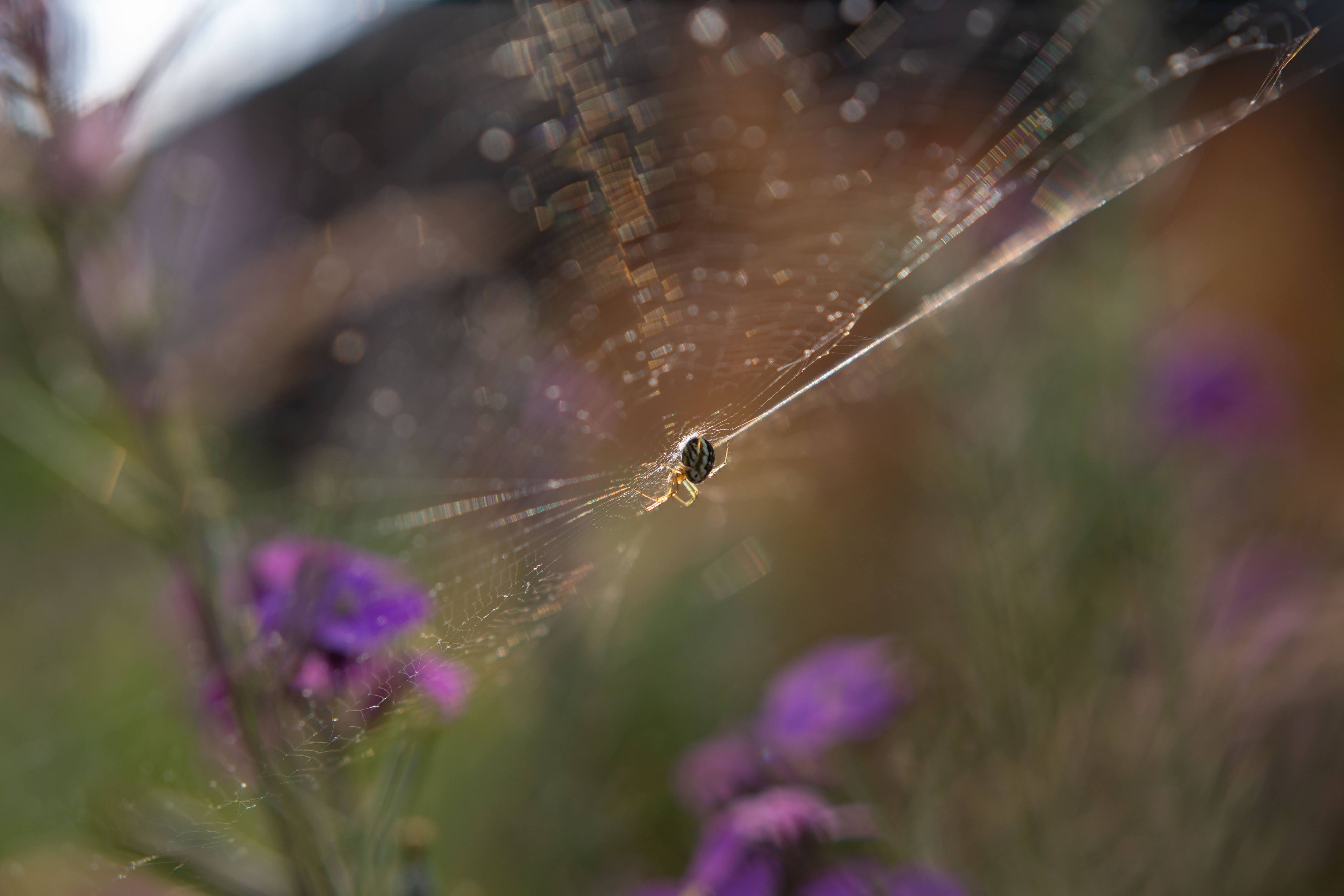
Humans are more detached from the natural world than ever before, walling themselves into climate-controlled buildings then driving between them in climate-controlled cars. Entire aisles of supermarkets are dedicated to toxic pesticides and herbicides, with brightly coloured advertising promising insect- and weed-free summers. Many of us lap this up, coating our gardens in poison then swapping our lawns for sheets of plastic to make sure no life can ever penetrate this sterile world again.
Neonicotinoids are a powerful chemical used to control pests on sugar beet crops. One teaspoon can kill 1.5 billion bees, it’s banned in the EU, yet the previous UK government routinely approved its use (the most recent instance of which has prompted an investigation brought on by ClientEarth2).
50% of insects have disappeared since 19703, and the rest of them are fading faster than ever observed in human history. If our planet’s ecosystem was represented by a Jenga tower, the insects would be the bottom layer. Pull that layer out, and the whole tower collapses. This bizarre anti-insect culture we’ve fostered has the potential to be the greatest own goal in human history.
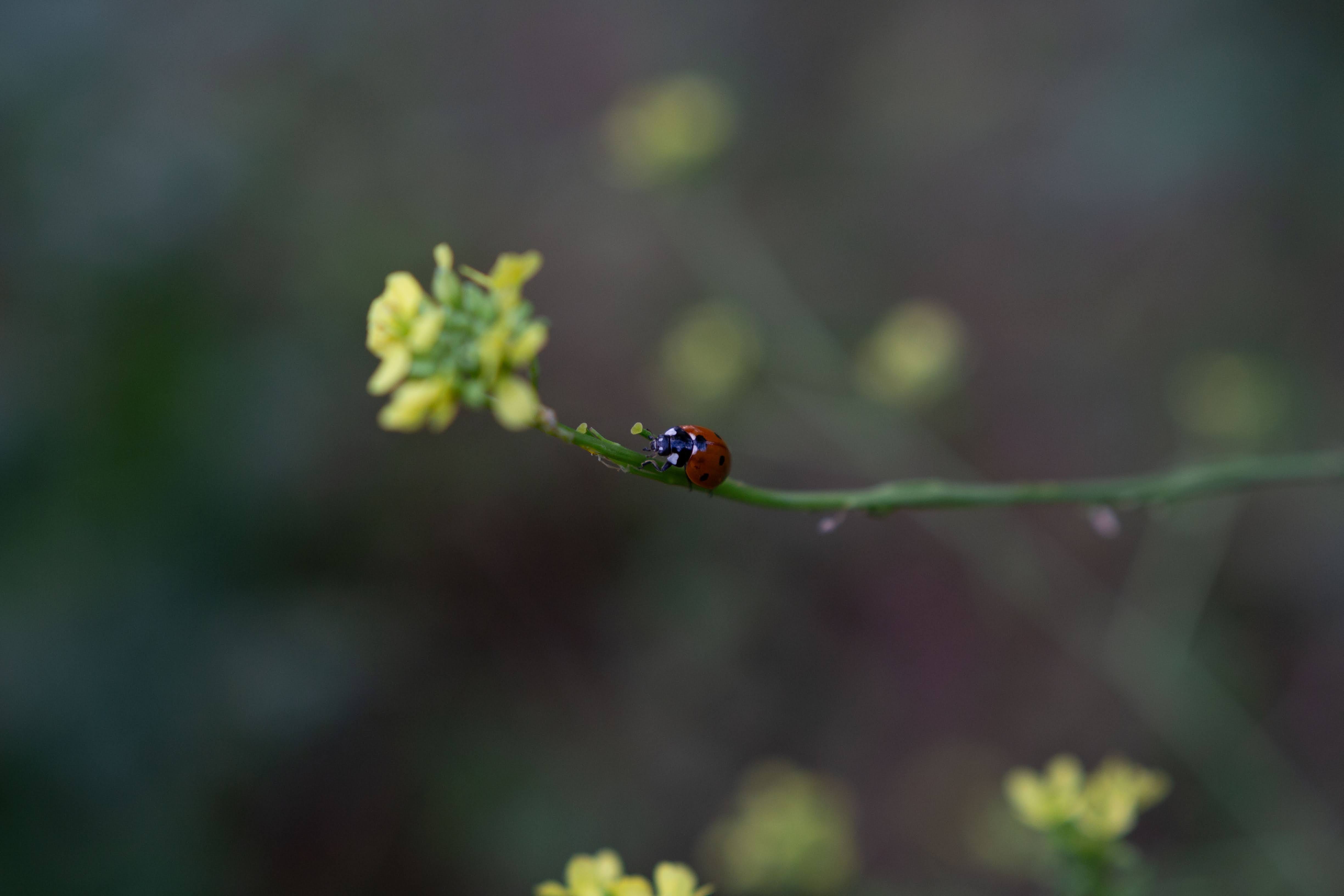
Everyone can play a role in restoring insect populations. Anyone with control over a patch of land - at home, school, or work - can grow pollinator-friendly plants and build habitats for insects.
A recent change in government in the UK brings a sliver of hope to wider land use. Prior to election the Labour party had pledged ambitions to halt and reverse biodiversity loss by 2030 in line with COP15 agreements4. They certainly seem to be taking climate goals seriously, lifting the ban on on-shore wind turbines and setting out plans to turn the UK into a ‘clean energy superpower’5. It’s quite the contrast to the previous government who dramatically U-turned on any kind of climate ambition, favouring fossil fuels over renewables. Just hearing politicians acknowledge and understand the severity of the climate crisis is like music for my soul.
But action on climate alone isn’t enough without massive, widespread nature restoration. And that requires getting everyone on board. And that requires deep reconnection with nature and understanding of why it’s so important.
And that requires newspaper columns that don’t talk about flying ants as if they are a plague to be rid of.
Sensationalist headlines that vilify nature do more harm than good. Perhaps one day these companies can talk to the masses about the beauty and benefits of our non-human friends we rely on every single day. But until that happens, it’s up to us to preach loudly from the pulpit.
Nature doesn’t have a voice. Let’s give it one.
Thanks for reading. You might also like…
The bug hotels are open.

There’s a place beside the canal a few minutes from where I live, just down a slipway off the main road. It’s a busy thoroughfare, and a broken old fence panel has been a convenient place to shove rubbish over the last couple of years since I’ve lived there.
Love Bugs

Ever stop to marvel at just how incredible insects are? They’re the backbone of the entire food chain. One of the main reasons why life can function in the way it does on this planet. If you remove a vertebrate species from an ecosystem it would have knock-on effect to the rest of it. But ultimately life would carry on. Species go extinct all the time - …
Absolutely agree with this. Great writing. (And the Star Wars ref! chef's kiss)
Thank you for being a voice for nature. There can not be enough of us. So frustrating that first of all the group with the biggest number of species on the planet, insects that is, is still called ‚bugs‘, that secondly they always have to fuel the unfounded fear probably originally established by movies, tv, socialisation, etc., and that thirdly this language is still used in a time where we are severely faced by a devastating loss of biodiversity, and insects in particular. Let‘s be the voice 💚.