


A while ago, I wrote a piece about how there’s nothing to see in the UK. About how there’s not one single scrap of good in this drab country of concrete and bypasses and dying industrial estates. Except, of course, everything.
From its rainforests (yes, rainforests) to its coasts to its mountains to its desert (yes, its desert), there are jewels of beauty to be found among the A-roads and the Greggs on every corner.
I could have filled a post with some wonderful encounters I’ve had around the world, from hummingbirds in Tobago to echidnas in Australia, but those aren’t exactly affordable, accessible goals for people who don’t live in those places. So seeing as I spend 90% of my time in the UK I figured I’d lay out some of my favourite UK wildlife encounters in one place. Hopefully they come in handy if you’re planning any trips this year.
For my international readers - and I know there are many - I’d love to hear your recommendations for your local wildlife encounters, so write a comment or email me some tips.
Ospreys and dolphins in Moray
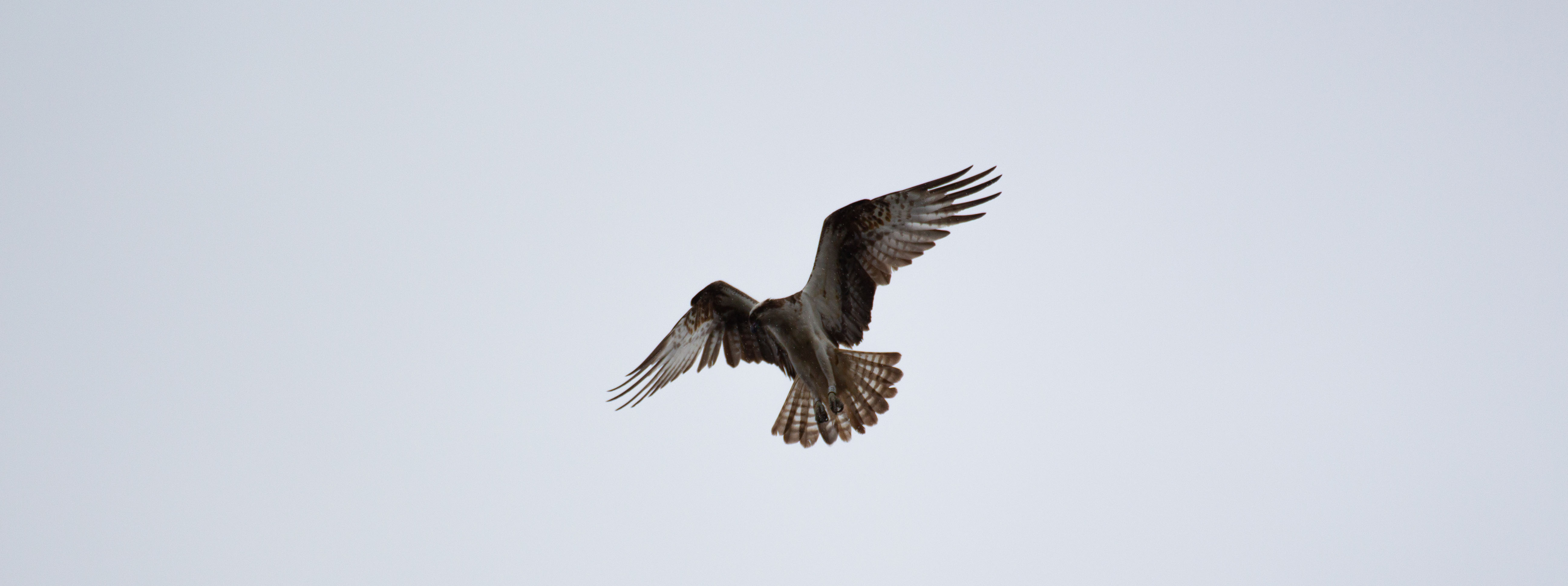
We visited Moray in Scotland with the goal of spotting Ospreys, incredible fishing birds of prey with a stunning array of white and chocolate feathers.
We found our quarry on a long stony beach in Lossiemouth, where it lifted from its perch and hovered over us for long minutes at a time as the sea lapped against the shingle.
The tides of the day also brought in dolphins, visible from the beach, playing in the Moray Firth, and seals bobbing up and vanishing again in the waves.
While you’re up there, check out the Cairngorms, where landscape restoration efforts are helping to boost numbers of Scottish raptors.
Puffins in Northumberland
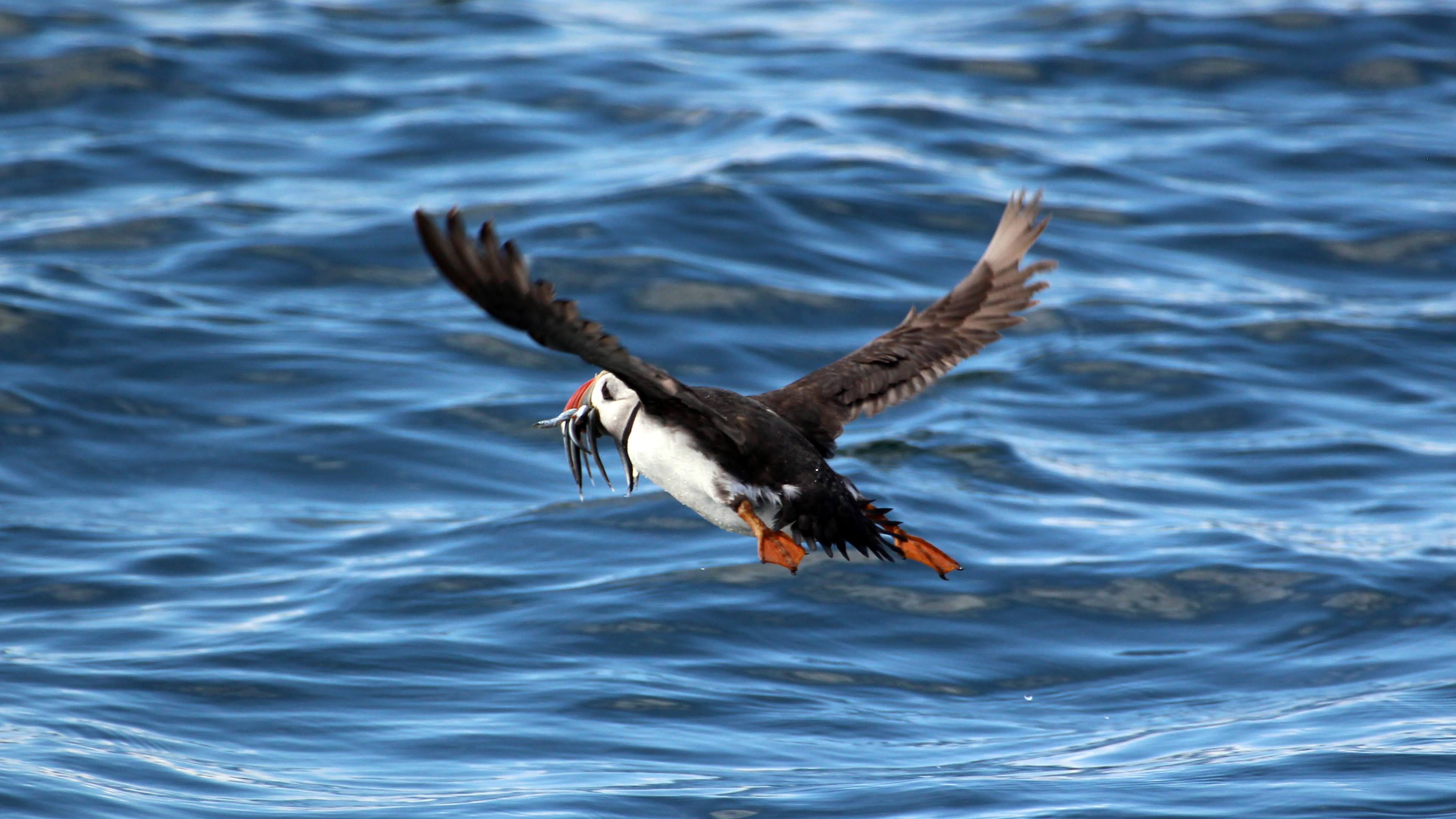
Tens of thousands of pairs of puffins graced the Farne Islands with their presence last year, but at the tail end of the season most had migrated and we saw only a few stragglers.
But the sight of those busy little birds flying hard over the waves with bills full of sandeels made the journey completely worth it.
I’ll try and get there a bit earlier this year to get among the puffin crowds, but it was by no means a wasted trip: the cliffs were thronging with kittiwakes, shags, razorbills and grey seals, too.


Wild Boar in the Forest of Dean
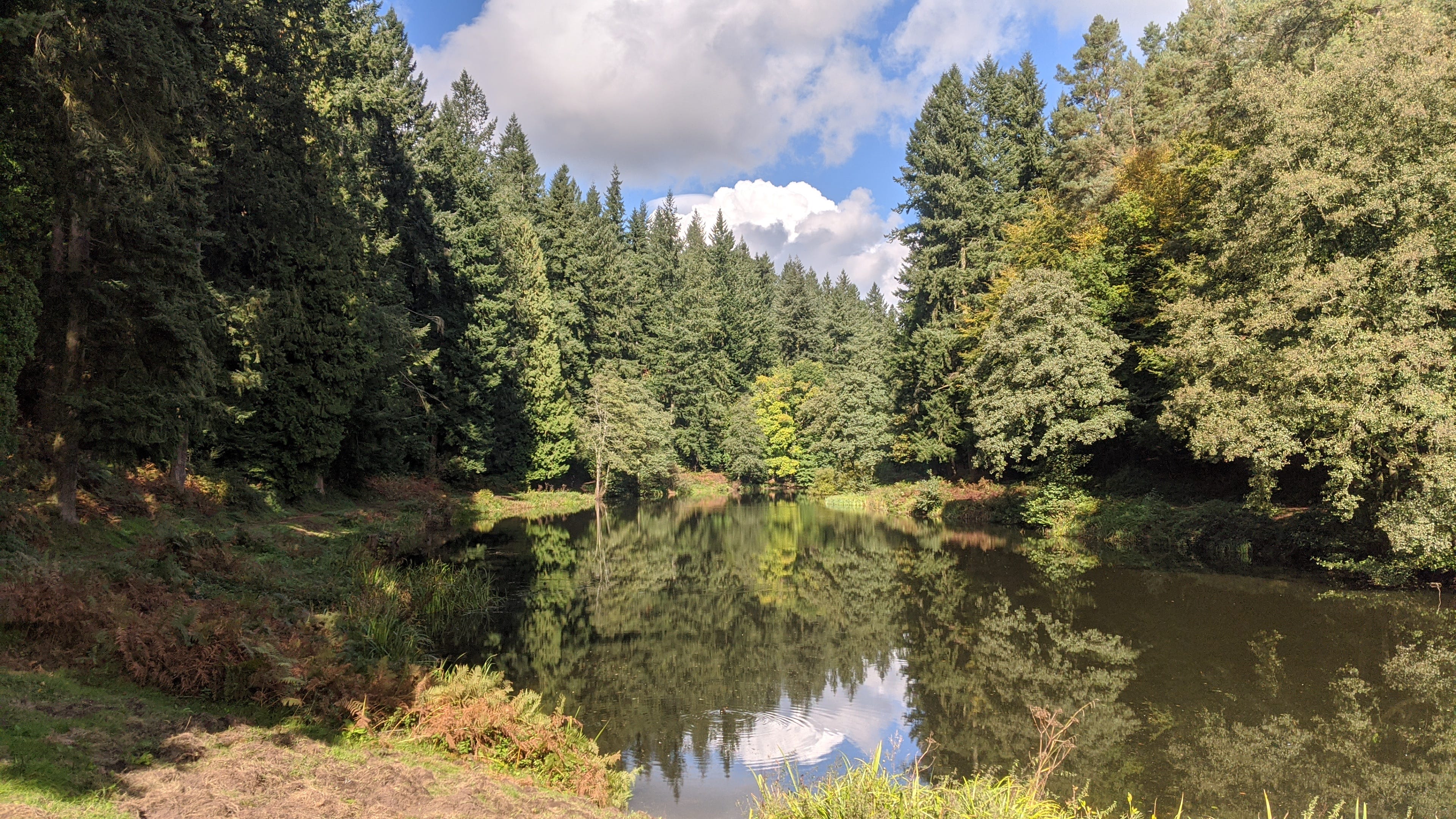
After being hunted to extinction centuries ago, wild boar were reintroduced to the Forest of Dean in the 1990s and are now doing extremely well.
A little too well, if some of the locals are to be listened to.
You’ll find signs of them everywhere: deep troughs furrowed through the soil of footpaths, verges and pristine lawns. Boar are vital to this environment, acting as ecosystem engineers that make room for other species to flourish.
They tend to stay away from people during the day, so you’ll need to get up early and stay quiet to see them. One morning in the thick grey fog of dawn, we were rewarded by a family of wild boar including several piglets crossing the path in front of us, like an image from prehistory.
Grey seals in North Norfolk
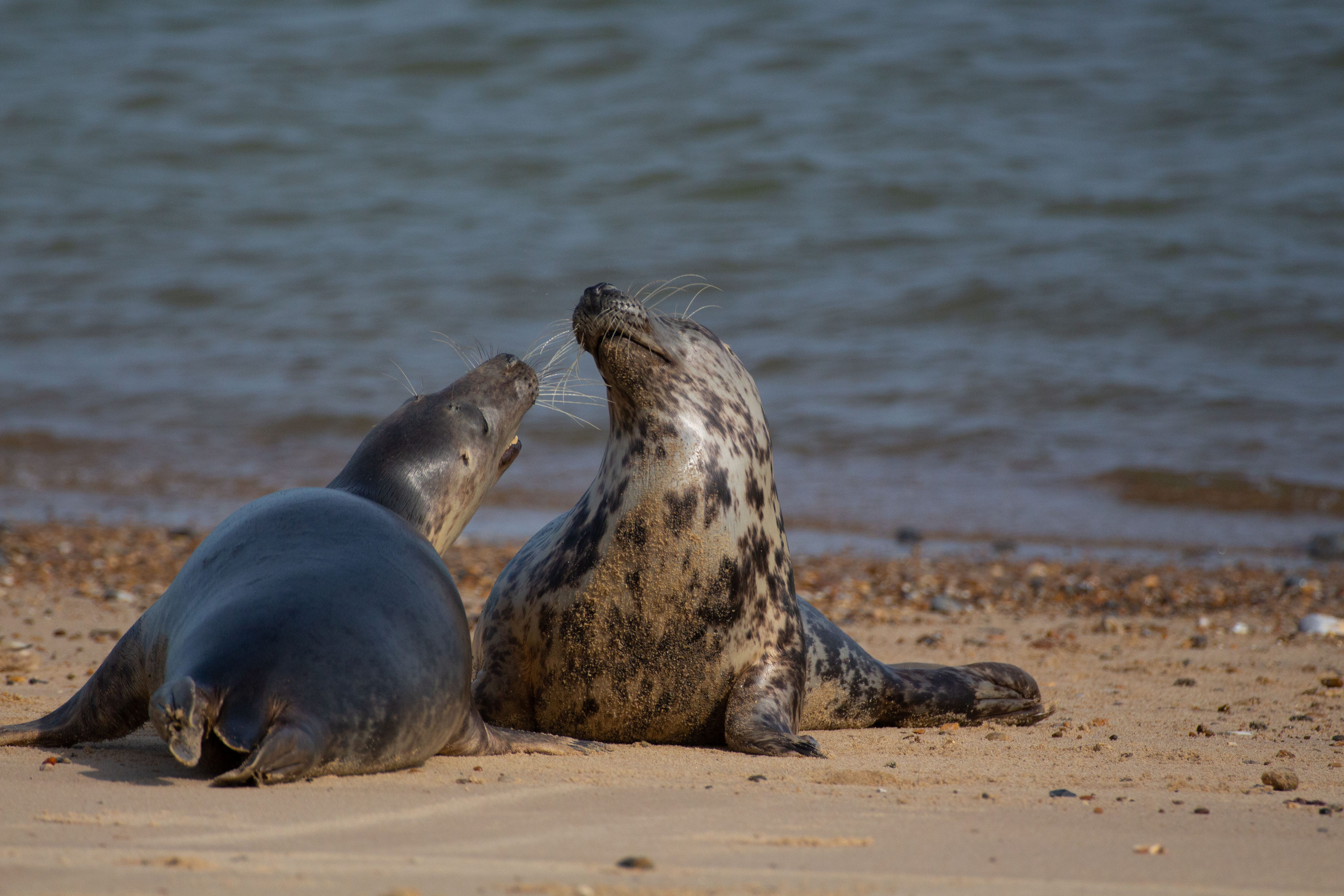
Norfolk has a special place in my heart, particularly as my family is from that part of the country. And North Norfolk is one of, if not the best place to spot grey seals.
The beaches at Horsey, Hunstanton and Blakeney along the North Norfolk coast are all perfect places to watch seals roll about on the sand. Just don’t get too close - they bite.
Jump on and off the cheap coast hopper bus to make the most of your time there.
Kingfishers in London
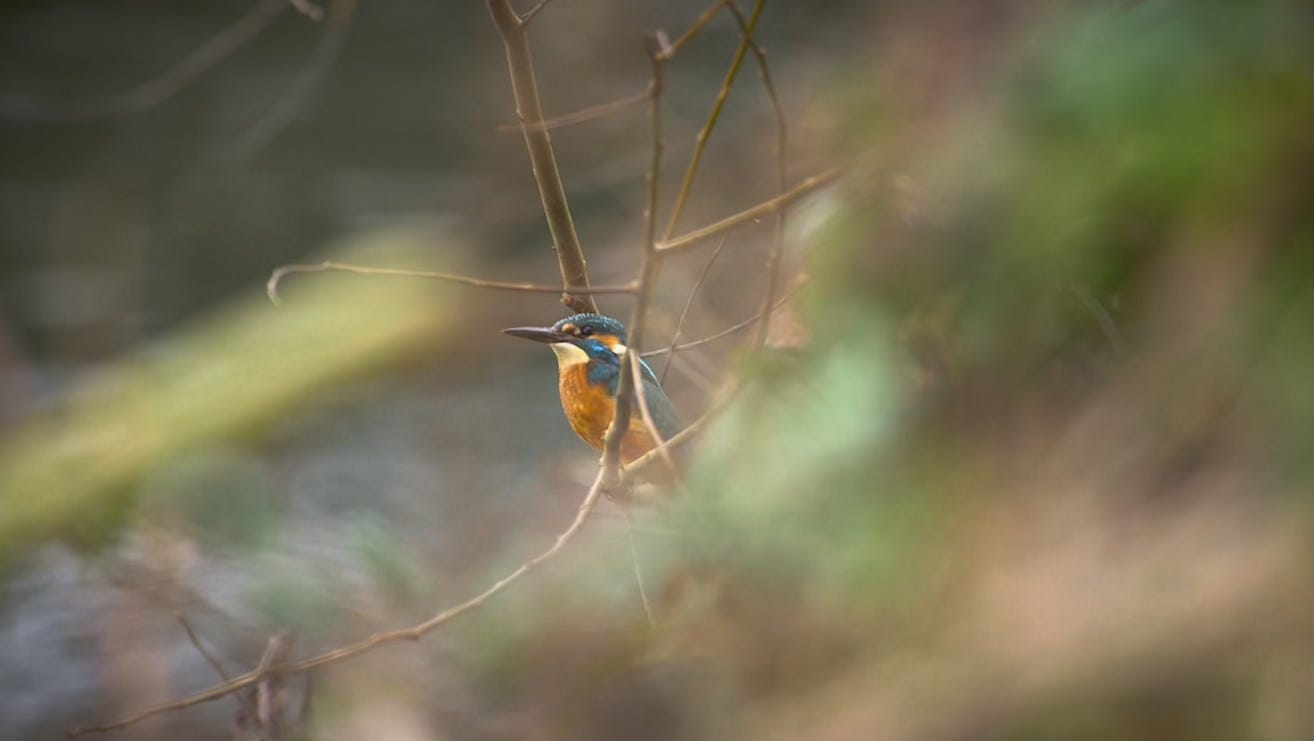
Let’s end our tour of the country in the least likely place I’d expect to see kingfishers, but the place I first saw kingfishers - London.
Walthamstow Wetlands, just 20 minutes from Oxford Street, is home to a family of kingfishers that can often be seen flitting up and down the river. They’re close to the path, too, and in the sunshine aren’t afraid of passers-by. They featured in this short film I made last year.
I’ve also seen kingfishers on the canals near Stratford’s Queen Elizabeth Park, and they are regular visitors to the London Wetland Centre in Barnes. Blink and you’ll miss the flash of blue and orange, but listen out for the shrill call as they speed down the river, inches above the surface of the water.
I’m sure I’ve missed plenty. It’s worth noting that all of these places are accessible by public transport - or at least most of the way.
It’s also worth noting that you don’t have to go trekking across the other end of the country for these charismatic animals to reconnect with nature. Spend time with the snails under the logs. With the bees on the foxgloves. With the wintering tufted ducks on the lake.
Surround yourself with life, and breathe it in.
In other news…
I was privileged to speak with Anna Rose over at The Burnout Rebellion as part of her podcast recently. We spoke about my writing and filmmaking career to date, my latest short documentary and the radical cultural transformation humanity needs to undergo if we’re to make it through the climate and biodiversity crises in any kind of shape.
Anna’s been running a great series on burnout and the ways creatives and thinkers are shifting their lives to a more sustainable approach to modern life, and it’s well worth checking out the other episodes.

Can I also recommend oystercatchers in Morecambe Bay and starlings everywhere they murmurate?
My most memorable wildlife encounter in the UK was watching a cormorant struggle to swallow a huge eel in Cardiff Bay. Right by all the restaurants/pubs. It was amazing how few people noticed. The cormorant won but the eel wriggled out of its gullet several times! It was quite gory but amazing. On more ‘normal’ wildlife spectacles Skomer island in Wales in May/June is out of this world - the sheer numbers/noise of seabirds. Also less natural but guaranteed which is nice for wildlife spectacles- red kite feeding in mid wales.