

The terns, moving
above everything

Clouds shift and dissipate, revealing azure skies.
High, circling almost imperceptibly above newly built blocks of flats, gulls. Their cries are faint on the breathless summer air.
Lower, drifting on the thermals above lakes and canals, another - slimmer, thinner - arc of white watches and waits.
It hangs in the air, shifting microadjustments as sophisticated as the most modern warplanes, then drops lower at the sight of what it’s looking for: the faintest glint of fishscale beneath a ripple.
A moment; the stillness misrepresenting the imminent violence.
Then - motion.
It pulls into a sudden steep dive. A silver torpedo, it strikes the water with barely a ripple before launching directly up again with two beats of its knife-tipped wings, unsuspecting fish squirming in its beak.
It returns to its nest to feed, squabbling and quarrelling with other homecomers before setting out again to hunt.
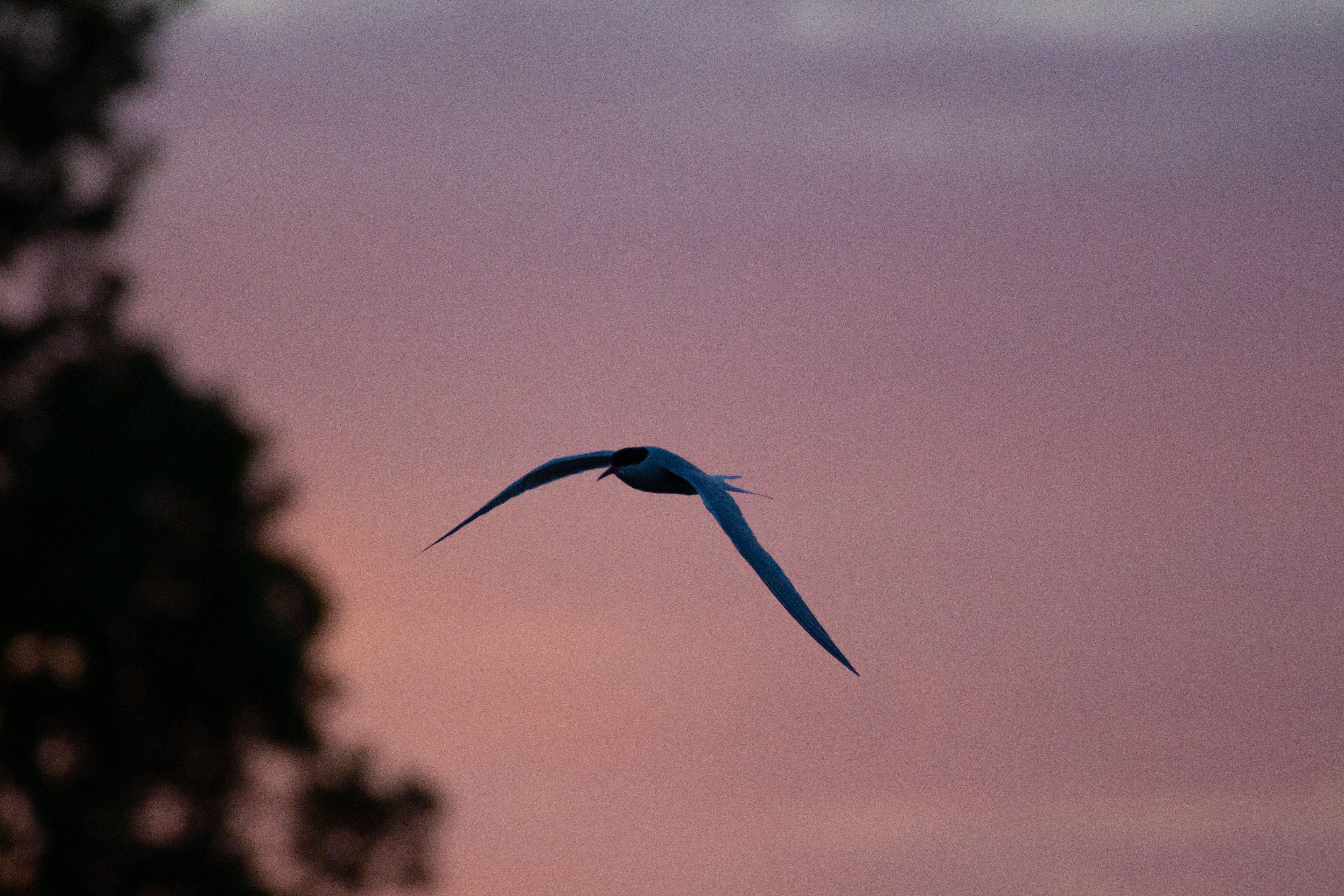
The sight of the common tern gliding above water has been a regular summer feature for me, living in the south-east of England for most of my life.
Between April and August they come in large groups, cutting through the skies above our reservoirs, rivers and coasts with a deftness many other birds can only aspire to.
The common terns which frequent Britain’s urban wetlands are distinct from the Arctic terns that hug the northern shores during the summer. While the common terns make a relatively short trip to the coasts of Spain and Africa for the winter, the Arctic terns set out on the ten thousand-mile journey to Antartica. In a given year their journeys range between 44,000 and 59,000 miles - the longest migration recorded for any animal.
They travel, to and fro, island to island, year on year, small yet graceful and committed to their finely honed instincts to move and breed and move and survive and move.
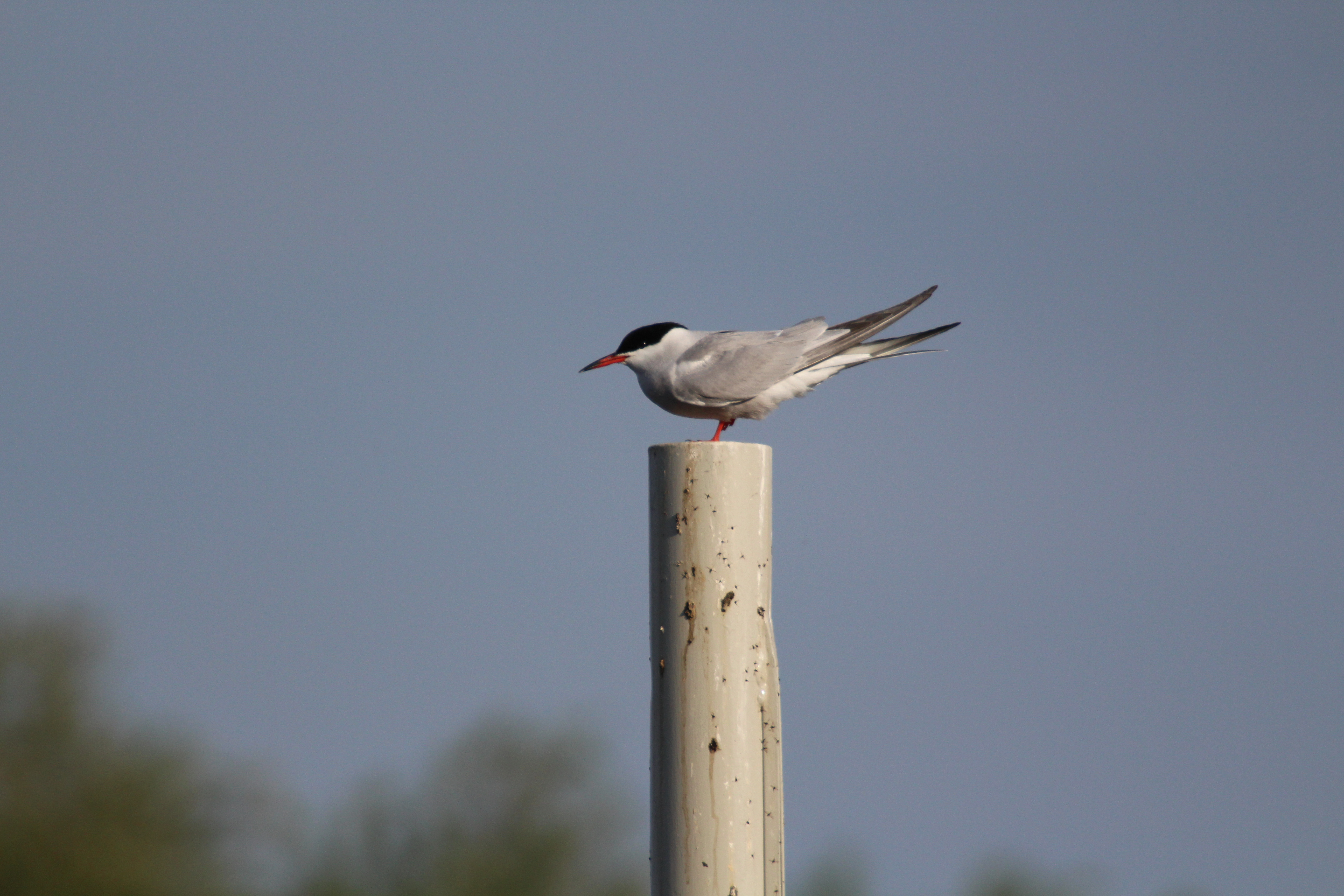
All birds live to move. A life on the wing, above the land, even the hovering kestrels and the hummingbirds beat their wings furiously to resist their forward motion.
Above it all, birds have seen the land change.
For millions of years their movements have latticed forests and cities - all sprung up then levelled - shifting coastlines, intertwining rivers, and the prehistoric lumbering of glaciers carving their way across the earth.
Birds move on the air moving above a land (moving) in constant change and evolution, and on the wing they see the world for what it is. Transcending borders and defying boundaries beyond the natural, they move regardless of which governments are elected and they will move after those governments are gone.
Birds (move) among the artillery thundering in Gaza, tirelessly following millennia-old passages against the soundscape of gunfire.
Birds (move) between the trenches of Ukraine and the grinding of machines built to manufacture death.
Birds (move) across and within and between, above the skies of British cities thick with the smoke of burning vehicles and the chanting of crowds who fear and decry all movement.
Because movement is the only constant. Without it there is nothing, and the birds are part of everything.
Come September, the terns will be gone and the water will be quiet again. Something else may take their place, but the impressions left in the air by those razor wings will remain, ghostly imprints of a fading summer.
But they will be back. They always are.
Thank you for reading. I am compelled to link to this feature by The Guardian about birdwatchers in the West Bank and Gaza, which I read in June and cannot stop thinking about.
You may also like…
City birds

Spain. The day’s late golden rays dance on the vinyard leaves. The air is filled with wheeling, crying house martins, devouring the insects that float lazily in the warm evening air.
I loved this piece - very clever with the juxtaposition between migrations in nature (which see no boundaries) and the migration of peoples.
Thank you for mentioning Gaza. It is ever present in my mind and yet so few people seem to talk about it. It baffles me. I read that article on bird watchers too. Nature in war zones is not something I’ve considered before.